
By Shakhlo Safarova, Researcher at Tashkent State University of Law
Introduction: A Journey Across Borders
From October 2024 to April 2025, I had the opportunity to spend six months in Istanbul, Türkiye, as part of my research secondment under the MARS project (Non-Western Migration Regimes in a Global Perspective).
As a researcher and senior lecturer at Tashkent State University of Law, my academic work focuses on human rights, migration law, and international cooperation. The secondment allowed me to take this research beyond theory—to the lived realities of Uzbek women migrants navigating life, work, and identity in Türkiye.
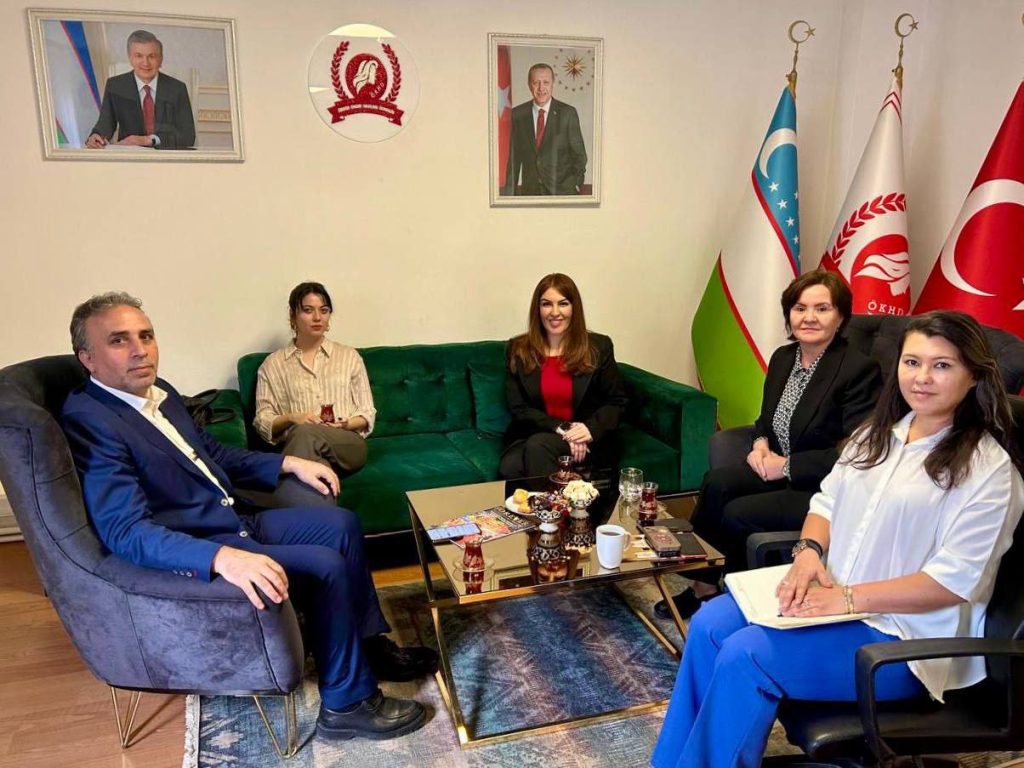
My host organization was the Ozbek Kadin Haklari Dernegi, also known as the Uzbek Society for the Protection of Uzbek Women, based in Istanbul. This civil society organization provides critical support to Uzbek women migrants in Türkiye, many of whom work in domestic service, textile industries, and other informal sectors.
What began as a professional research assignment soon evolved into a profound personal experience—one that reshaped the way I understand law, gender, and migration in practice.
Istanbul: Where Worlds Meet
Istanbul is a city that defies easy description. It is both ancient and modern, bustling and contemplative, familiar and foreign. For a visiting researcher like me, it offered a unique vantage point from which to observe how migration operates not merely as a policy issue, but as a human condition.
Every neighborhood told a story: Fatih with its traditional atmosphere and diaspora communities, especially Kumkapi and Yenikapi quarters with their migrant-concentrated neighborhouds; and Üsküdar, where I met several Uzbek women who had lived in Türkiye for more than a decade. Each encounter deepened my understanding of how migration is experienced differently depending on one’s gender, class, and legal status.
At first, the scale of Istanbul was overwhelming. But soon, I found myself drawn into its rhythm—the morning calls to prayer, the constant motion of the Bosphorus ferries, and the quiet strength of women who, far from home, were building new lives despite immense challenges.
The Host Organization: A Lifeline for Uzbek Women
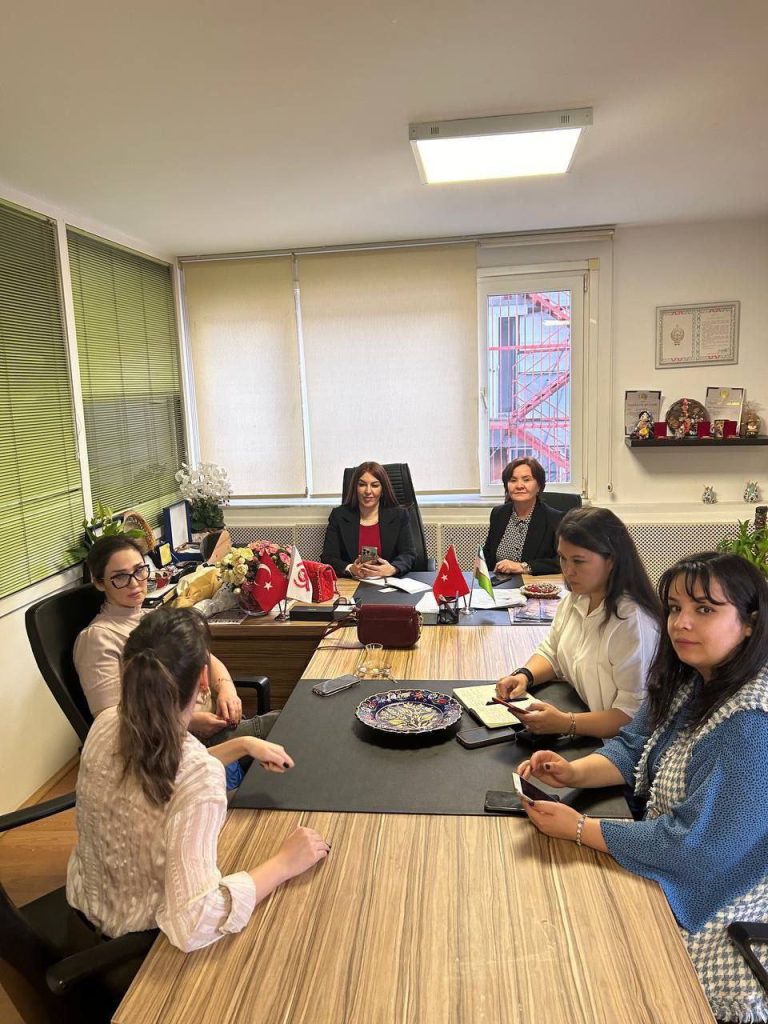
My daily work centered around the Ozbek Kadin Haklari Dernegi, where I collaborated with local activists, social workers, and community volunteers. The organization provides legal consultations, translation assistance, psychological support, shelter, and advocacy for migrant women.
Through my engagement with the staff and the women who came to seek help, I saw firsthand how community-based organizations fill critical gaps left by state institutions. For many Uzbek migrants, the Dernek is not just a support center—it is a refuge, a trusted space where they can share their experiences without fear of stigma or deportation.
Together with the organization’s team, I participated in several community meetings and informal workshops on women’s rights, labor rights, and navigating Turkish legal procedures. These encounters offered not only data for my research but also moments of deep human connection.
Fieldwork: Listening to Voices Often Unheard
The core of my secondment was my fieldwork among Uzbek female migrants living and working in Istanbul. Using qualitative methods—interviews, focus groups, and participant observation—I explored the legal, social, and emotional dimensions of migration.
The stories I heard were both heartbreaking and inspiring. Many women had come to Türkiye with high hopes—to earn enough to support their families, pay for their children’s education, or escape unemployment back home. However, upon arrival, they often encountered exploitative working conditions:
- Long working hours without formal contracts or fair wages,
- Restrictions on mobility or confiscation of passports by employers,
- Verbal and physical abuse,
- And in some cases, sexual harassment and gender-based violence.
These experiences revealed how migrant status, gender, and informal employment intersect to produce deep vulnerabilities. Many women lacked access to legal remedies because of language barriers, fear of retaliation, or lack of awareness about their rights.
Yet, amid these difficulties, I also witnessed powerful examples of resilience and solidarity. Women formed informal networks to share housing, exchange job opportunities, or care for each other’s children. Some even became advocates within their communities—helping newcomers navigate life in Istanbul, translating at hospitals, or accompanying others to police stations when necessary.
Academic Reflections: From Fieldwork to Scholarship
This secondment has profoundly influenced the way I approach research. In the classroom and academic literature, migration is often analyzed in terms of policy frameworks, international conventions, and legal mechanisms. But in Istanbul, I saw how those frameworks come alive—or fail to—in people’s everyday lives.
The insights I gathered during my secondment will form the basis of an upcoming paper tentatively titled:
“Gendered Vulnerabilities and Resilience: The Case of Uzbek Female Migrants in Istanbul.”
In this paper, I aim to examine:
- How non-Western migration regimes, such as Türkiye’s, shape the experiences of Central Asian women migrants;
- How gendered labor markets and informal employment structures perpetuate inequality; and
- The strategies of agency and resistance that migrant women employ in the face of structural barriers.
My goal is to contribute to both academic debates and policy conversations on migration, labor, and women’s rights in the Global South.
Beyond Research: Personal Growth and Responsibility
Living and working in Istanbul taught me that being a researcher is not just about collecting data—it’s about bearing witness. It requires empathy, ethical responsibility, and humility.
At times, I struggled emotionally after hearing stories of exploitation and injustice. But I also learned that research can be an act of care—by amplifying voices that are often silenced, we contribute to change, even in small ways.
This experience reinforced my conviction that law and human rights education must be grounded in real-world experiences. As I return to the Tashkent State University of Law, I plan to integrate these insights into my teaching—encouraging students to think critically about how migration policies impact human lives and how legal systems can be more responsive to the needs of women migrants.
Looking Forward: Building Bridges Between Research and Practice
My collaboration with the Ozbek Kadin Haklari Dernegi continues even after the end of my secondment. We are discussing joint initiatives on awareness-raising and legal literacy for Uzbek women in Türkiye, as well as potential academic exchanges between Turkish and Uzbek institutions.
Ultimately, my experience in Istanbul reaffirmed the importance of cross-border solidarity—between scholars, activists, and communities. Migration is not just a social or legal issue; it is a human story that connects us all.
As part of the MARS project, I am proud to contribute to a growing body of research that challenges Western-centric perspectives and highlights the diversity of migration regimes and migrant experiences across the globe.
Closing Reflection
When I think back on my time in Istanbul, I remember the faces and voices of the women I met—their laughter, tears, and determination. Their courage to dream and to rebuild lives in the face of hardship continues to inspire me.
My secondment in Türkiye was more than a professional milestone; it was a journey of learning, empathy, and transformation. It reminded me that law, at its best, is not an abstract system—it is a promise of dignity and justice for every individual, regardless of their origin or status.
